How to Check Maui Beach Conditions Before You Go
How do you check Maui beach conditions before you go?
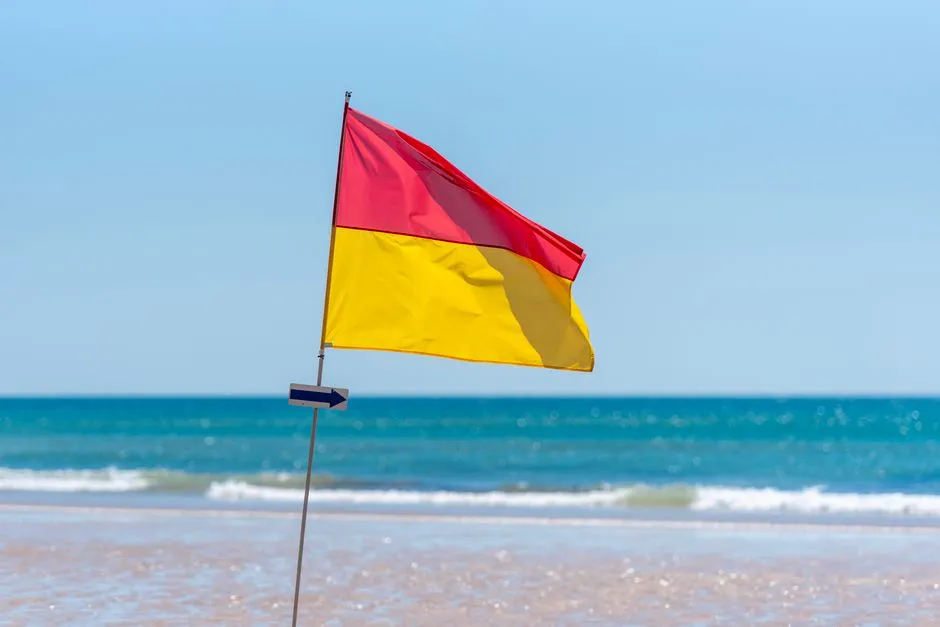
Choose a Maui beach with same-day information. Start with Hawaiʻi Ocean Safety's lifeguarded-beach list and current-condition links, then check National Weather Service hazards and Hawaiʻi Department of Health water-quality advisories. At the beach, obey posted signs and ask the lifeguard before entering. Stay out when conditions exceed your ability. For a swimmer in distress, alert a lifeguard; if no lifeguard is present, call 911.
No single website, season, photograph, or warning sign can establish that ocean entry is safe.
Begin with a lifeguarded beach
Hawaiʻi Ocean Safety is published by the Hawaiʻi Department of Health's Emergency Medical Services & Injury Prevention System Branch. It recommends choosing a lifeguarded beach and provides current-condition links.
Its lifeguarded-beach list identifies Maui locations by shore. Use that live page because coverage and schedules can change. Lifeguard presence reduces response time in an emergency; it does not remove shorebreak, current, surf, weather, or personal-health risk.
Choose a beach that suits the intended activity and every person's swimming ability and health. A location that suits an experienced surfer may be unsuitable for wading, swimming, or a family shore day.
Check weather and surf for the correct shore
Open the National Weather Service Honolulu page and check current Maui forecasts, hazards, and surf information. Conditions differ by shoreline and can change during the day. A seasonal description or yesterday's photograph is not a forecast.
Hawaiʻi Ocean Safety's weather-hazard guidance says to stay out of the ocean and away from beaches and shorelines during severe-weather threats until local authorities advise that it is safe. During heavy rain, leave the water immediately and seek shelter in a building or covered vehicle.
Check water quality separately
Surf appearance does not establish water quality. The Hawaiʻi Department of Health Clean Water Branch posts current notices through its water-quality advisory system.
The department's Beach Monitoring Program explains that Brown Water Advisories flag water that may contain land-based polluted runoff after heavy rain. When an advisory is issued, the department strongly recommends that the public avoid recreation or contact with the affected water.
Check the live advisory status on the day of the visit. Do not assume an old advisory remains active, or that an earlier cancellation applies after a new rain event.
Read every sign and speak to the lifeguard
On arrival, find the warning signs and the lifeguard tower before approaching the water. Ask about the intended activity and current area of entry.
Hawaiʻi Ocean Safety says ocean conditions can change quickly and the absence of a sign does not mean a hazard is absent. Its warning-sign guide states that shorebreak can cause serious head, neck, and back injuries even in shallow water. A No Swimming sign identifies extreme life-threatening conditions. Do not enter when that sign is posted.
Keep watching the ocean while on sand or rock. Remaining out of the water does not remove shoreline risk during high surf or severe weather.
What should you do in a strong current?
Hawaiʻi Ocean Safety says strong currents can occur at any beach and may not be visible. If a current prevents comfortable progress, conserve energy, regulate breathing, and float. Move with the current instead of fighting it to exhaustion. Signal for help by yelling toward shore and waving your arms.
Alert a lifeguard when another swimmer is in distress. The state lifeguarded-beach page says to call 911 for lifeguard services if no lifeguard is in the tower. Follow the dispatcher and emergency personnel; do not improvise an in-water rescue beyond your training.
If a strong local earthquake occurs while you are near the ocean, Hawaiʻi Ocean Safety directs people to move inland and to higher ground immediately. Stay away from the ocean during a tsunami watch or warning until local authorities issue an all-clear.
Use public access and designated parking
The Hawaiʻi Tourism Authority's Maui Nui travel tips tell visitors to avoid sites on or beyond private property, use places clearly open to visitors, park only in designated stalls, and stay on marked paths. Do not publish or follow a “secret beach” route that crosses private land or a closure.
Treat the shoreline, wildlife, and community as more than scenery. Follow access limits, leave natural and cultural material in place, and keep distance from cultural practice.
For a reserved upland day, our Haleakalā sunrise guide begins with the park's live access and weather checks. The Coast & Ocean section keeps same-day conditions attached to every shore plan.
Sources
- Hawaiʻi Ocean Safety and List of Lifeguarded Beaches — accessed September 3, 2026; support the lifeguard, current-condition, and 911 routes.
- Hawaiʻi Ocean Safety, Understanding Beach Warning Signs — accessed September 3, 2026; supports the sign, shorebreak, and changing-condition statements.
- Hawaiʻi Ocean Safety, Strong Currents and Weather Hazards — accessed September 3, 2026; support current, severe-weather, and tsunami actions.
- National Weather Service Honolulu — accessed September 3, 2026; provides current Maui weather, hazard, and surf information.
- Hawaiʻi Department of Health, Beach Monitoring Program — accessed September 3, 2026; supports water-quality and Brown Water Advisory scope.
- Hawaiʻi Tourism Authority, Maui Nui Travel Tips — accessed September 3, 2026; supports public-access, parking, marked-path, and community-care guidance.
An independent publication. Not affiliated with any prior owner of this domain.